
Sunscreen and beyond: How to keep kids safe in the sun
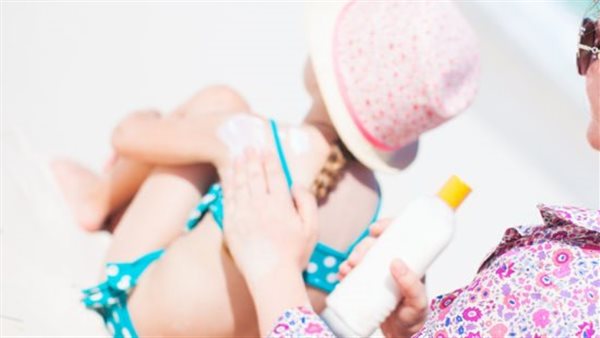
sunscreen on your child’s back before applying to make sure they won’t have an allergic reaction.
Apply carefully around the eyes and mouth
Take caution when using spray sunscreen. Some spray sunscreens should never be applied to the face. Also, some of them may contain flammable ingredients and should never be applied near a source of flame.
Apply sunscreen 15 to 30 minutes before going out in the sun, and don’t skimp. It takes about one ounce, or two tablespoons, to cover the parts of the body exposed to the sun.
Remember to apply sunscreen to the tips of the ears, nose, feet and the back of the legs and knees. Lips can get sunburned, too, so it’s recommended to use a UV-protective lip balm and to reapply it often.
Best practice
The best defense against sunburn is prevention, Dr. Yousuf said.
“We advise families to keep their kids in the shade whenever possible and to limit sun exposure during the peak intensity hours which is between 10 a.m. and 4 p.m.,” she said. “Cotton clothing is both cool and protective. When possible, long sleeve shirts, long pants and skirts can provide protection.”
Remember:
- To wear a broad-brimmed hat to shade the cheeks, chin, ears and back of the neck.
- Sunglasses with ultraviolet protection would be an added protection.
- UV rays can bounce back from sand, water, or concrete; even on cloudy days, 80 percent of UV lights may reach the Earth.
- A wet T-shirt offers much less UV protection than a dry shirt.
- Darker colors may offer more protection than lighter colors. Some clothing certified under international standards comes with information on the UV protection factor.
- Do not expose sunscreen containers to direct sun, heat and humidity. Wrap the containers in towels, keep them in the shade, or in a cooler.
- Do not use sunscreens that have passed the expiration date (if there is one). Sunscreens without an expiration date should be considered expired three years after purchase. Most sunscreens are stable for three years.
Plan ahead
If the proper care of sun exposure and protection is not followed carefully, your child may become sunburned, Dr. Yousuf said. “In a child less than a year old, sunburn can be more dangerous, and that also goes for if an older child has blistering, pain or fever. Always talk to a provider if you are unsure what to do about a child’s sunburn.”
In the case of some burns, it’s important to keep your child well hydrated to replace lost fluids. Use cool water to help their skin feel better. Even a few serious sunburns can increase a child’s risk of getting skin cancer.
“You may give pain medication. For children younger than 6 months we advise acetaminophen,” she said. “For a child older than 6 months, you may use either acetaminophen or ibuprofen. Remember to keep your child out of the sun until the sunburn is fully healed.”