Knees up
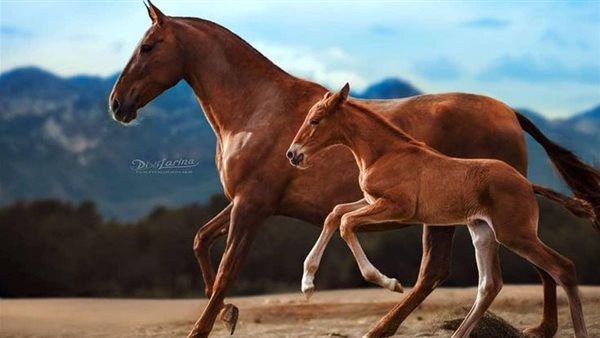
The horse’s knee which is also referred to as the carpus, is equivalent to the human wrist. With nine bones forming three joints, held together by a complexity of ligaments, the knee joint delivers flexibility, stability and shock absorption. As an intricate and active joint, it can be susceptible to problems.
Knee troubles
Osteoarthritis
This is the most common problem affecting the knee. In performance horses it can develop because of stress-related changes in the bone cartilage within the joint. Chip fractures of the knee can also lead to arthritis within the joint and conversely chronic arthritis can lead to chip fractures. Osteoarthritis of the knee typically causes lameness and joint swelling. The horse is likely to have reduced motion and discomfort when the joint is flexed. Nerve blocks, radiographs, ultrasound, or bone scans for more complex cases, will help your vet to identify the problem joint.
Treatment
Medication injected directly into the joint is the most common treatment option, combined with rest and anti-inflammatories. In cases where the horse is no longer being ridden but is being used for breeding or as a companion, the joints may be partially or totally fused which will reduce the motion of the joint but bring relief from lameness.
Carpal chip fractures
Chip fractures (osteochondral fragmentation) are most commonly seen in racehorses and are caused by the same bone and cartilage damage that leads to osteoarthritis. A horse with a chip fracture is likely to be