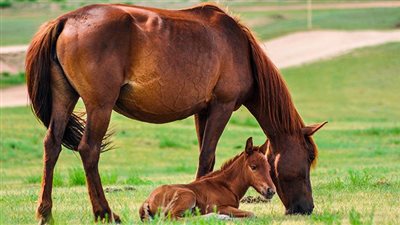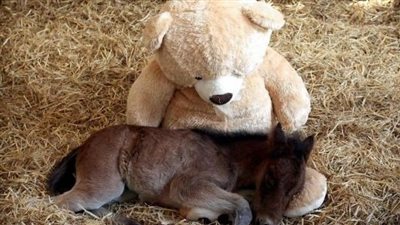
The benefits of play behavior in the development of foals
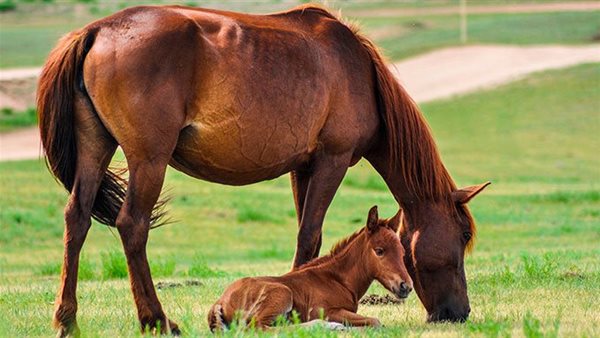
Play in young animals often mimics adult behavior that is essential for survival.
In the case of horses, as herd animals that prefer to live in social groups, they need to socialize with members of their own species from their birth. And what better way to start than playing.
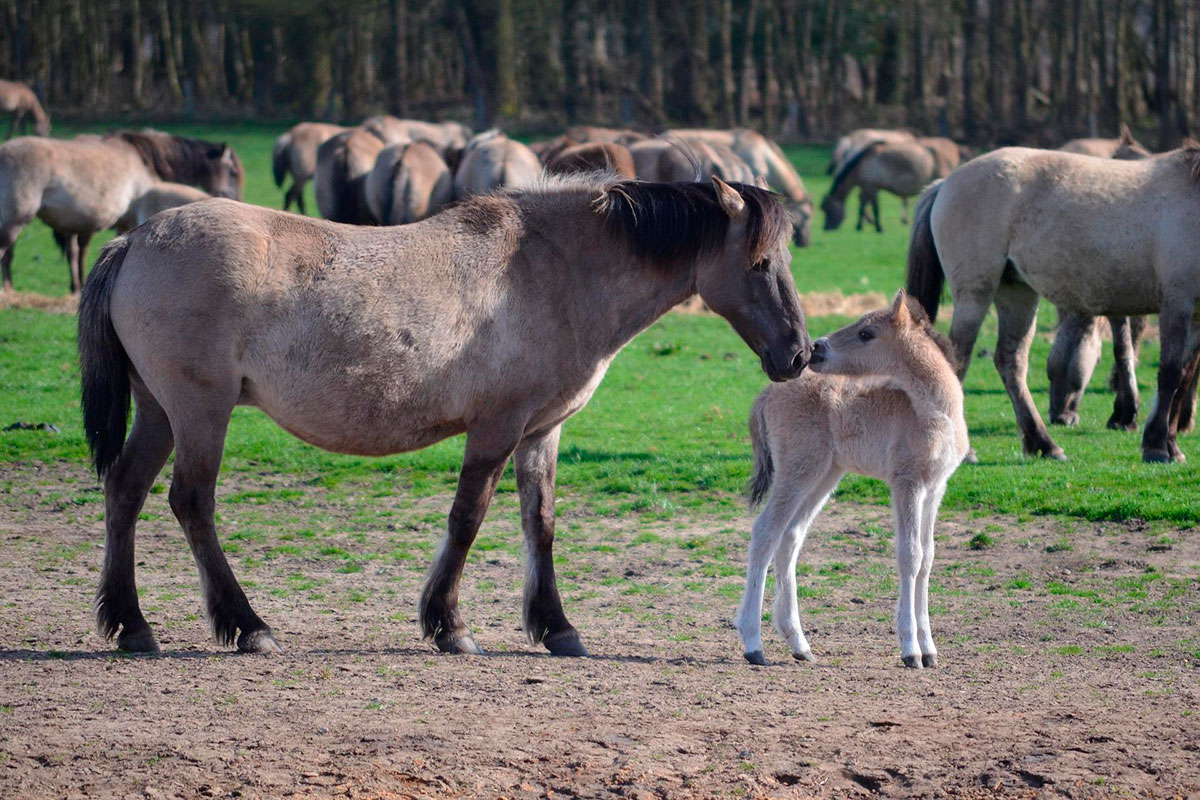
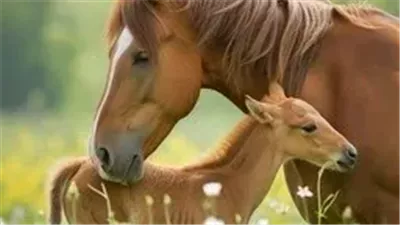
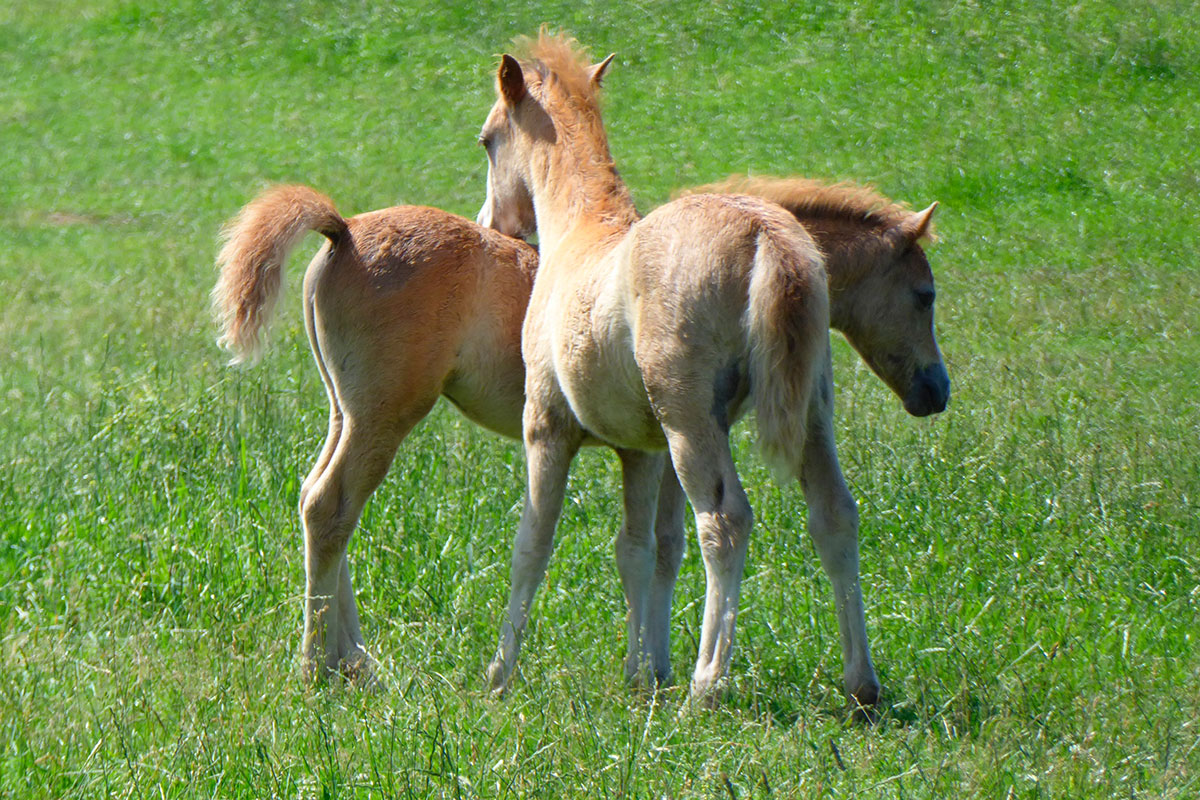
From the moment foals arrive in the world, the relationship with their mother is the first one they experience and play behavior is quite solitary. However, after the first month youngsters begin to socialize with other foals.
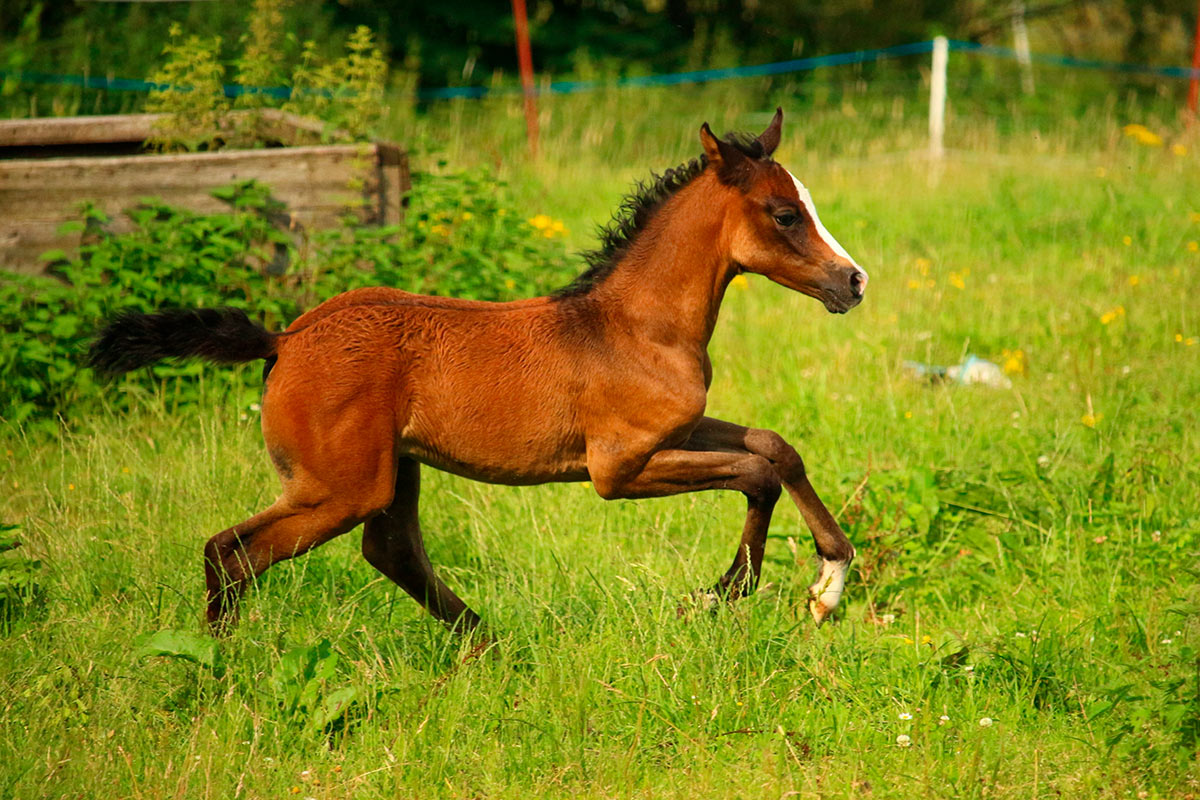
In addition to building social relationships, play behavior serves several functions such preparing the animals for their adult life and practicing survival skills.
Running, bucking and play fighting will help foals practice these skills for the future: running away from a predator or a potential danger
Besides, this type of recreation allows the foal to develop locomotive skills and enhance their cardiovascular and musculoskeletal fitness.
In short, we should facilitate natural play in foals and avoid social isolation.
Play behavior and social relationships in horses
Let's talk first about the relationship between play behavior and socialization in foals.
Socialization helps the foal integrate into a herd environment and learn to communicate with other horses. This process is progressive from birth
and continues into adulthood.
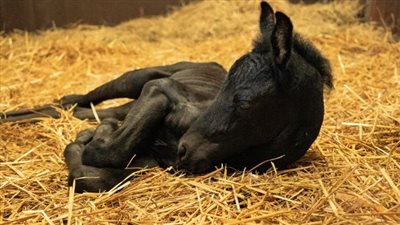
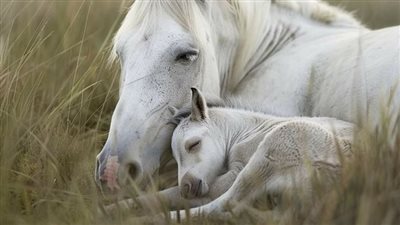
The first month of a foal’s life is characterized by its relationship with its mother and no contact with other horses. Nursing, sleeping and resting take most of its time. Nursing bouts are typically short, lasting approximately 1 to 1.5 minutes.
The rest of the time foals play with their mother, sniff in order to explore the world, nibble a little grass and they may even eat their mother's feces.
Foals of this age are particularly likely to play with the mare’s tail and mane. The mare is generally tolerant of this behavior.
Although socialization is very limited at this stage, according to several authors (Tyler, Keiper, Boyd), after two weeks foals begin to interact with their mother’s friends.