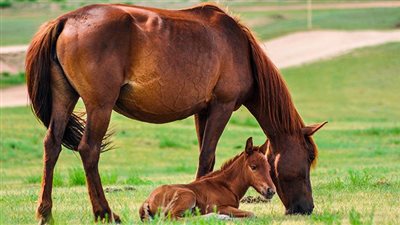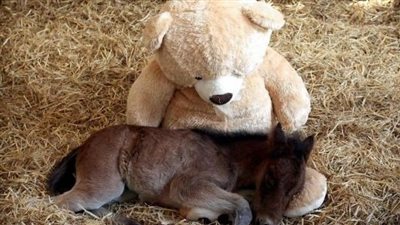
The benefits of play behavior in the development of foals
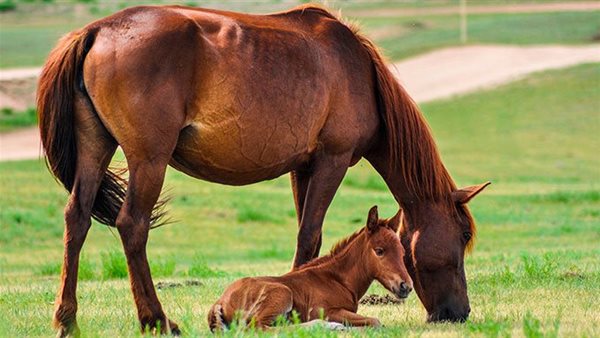
From the second month the foal
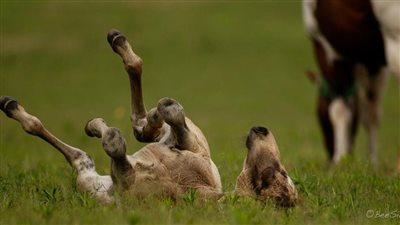
begins leaving its mother’s side more frequently, often to interact with other members of the herd. It is between the second and third month when they spend most of their time playing with other foals.
The amount of time spent in play peaks during this period and is the same for colts and fillies. However, fillies engage in more running, jumping, and bucking play, while colts engage in more play that mimics combat.
Foals learn the boundaries of how roughly they can behave toward their peers. For example, a colt that bites a filly too hard is likely to be kicked.
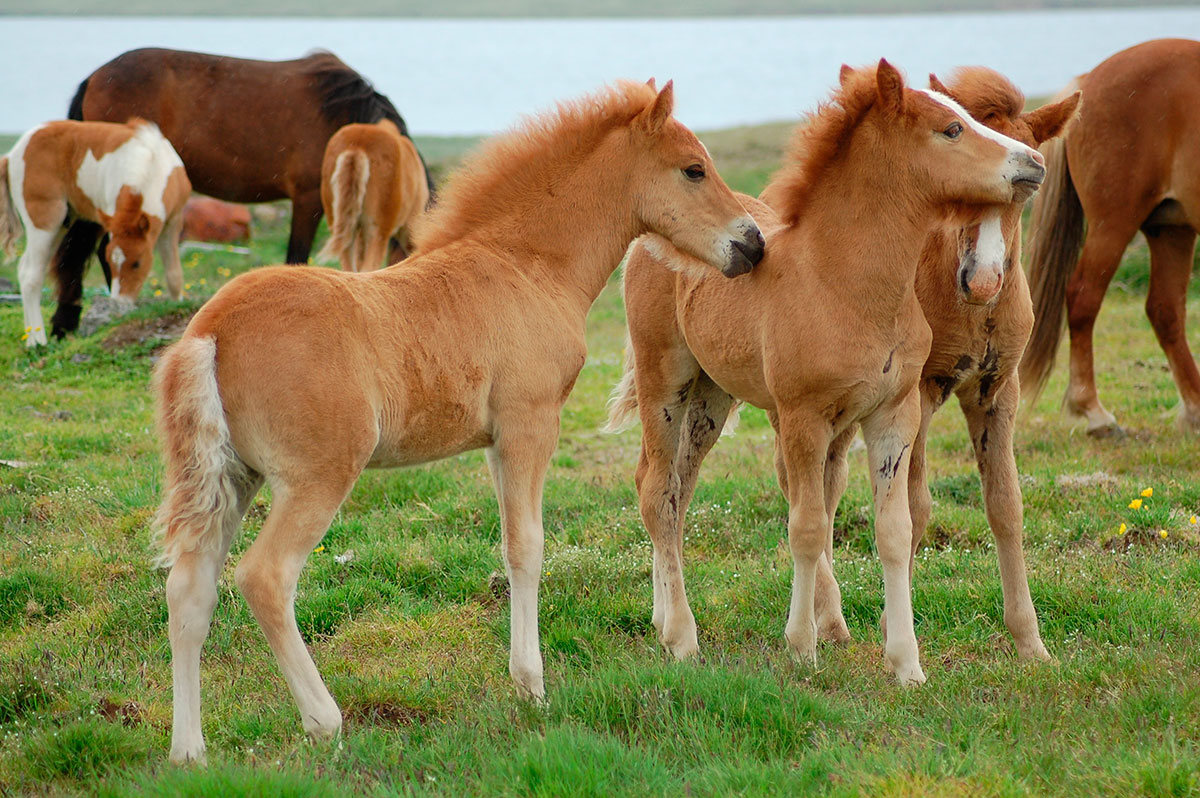
Mutual grooming, also called allogrooming, peaks at this time. Equids allogroom by using their incisors to scratch and gently bite the skin of the withers, neck, and crest of their
Four months of age is the period of stabilization and developing independence. Play behavior steadily decreases and foals spend more time grazing and eating fodder. While nursing becomes less frequent, it still occurs until foals are weaned, generally at 6 months of age.
At eighth months of age the juvenile phase begins, with the definitive weaning of the foal. It is the best time for cognitive learning. Also, social interaction with other foals increases during this period.
Play and exploratory behaviors will increase as the months go by. It is the time when colts develop their protective role.
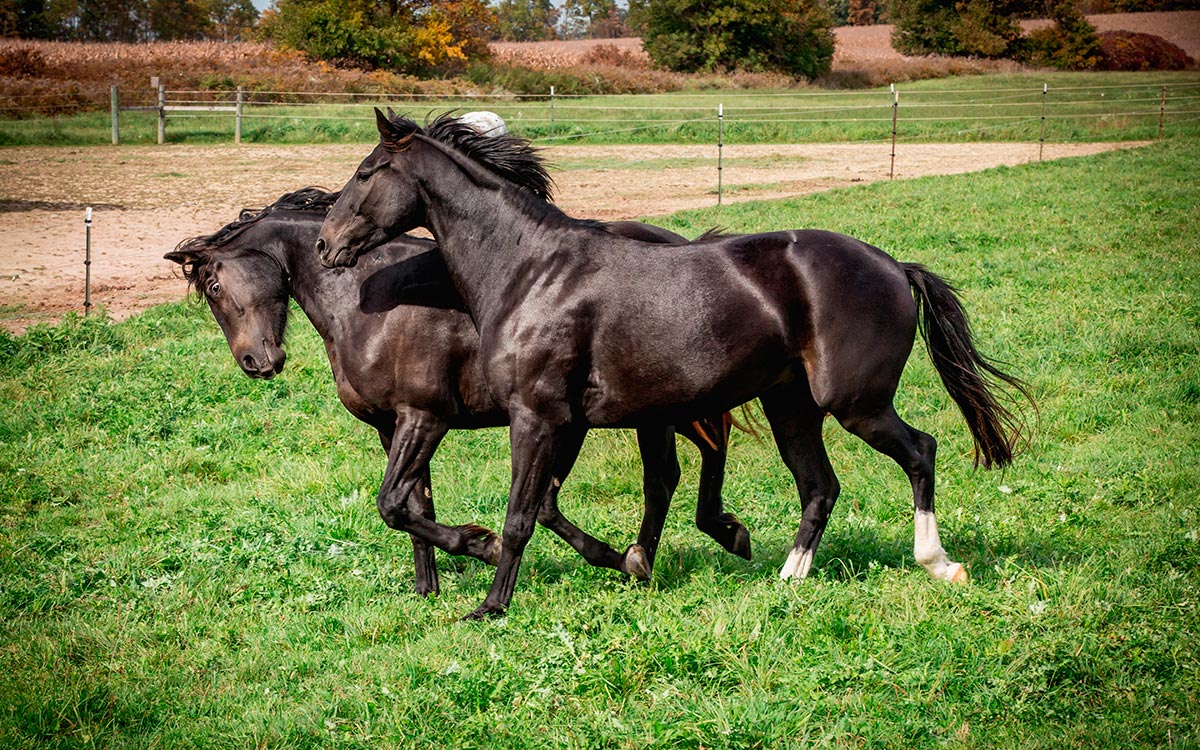
Four- and five-year-old horses are considered adults. Socialization among the members of the herd will continue to exist and it’s at this time when humans begin to play a significant role.
The importance of play behavior in the muscle and bone development of the horse
Bone tissue is one of the largest in the body. The major functions of the bones are body support, facilitation of movement, protection of internal organs, storage of minerals and fat, and hematopoiesis.
That is why it is very important to maintain their quality, and play in a foal’s early life helps to improve that quality.
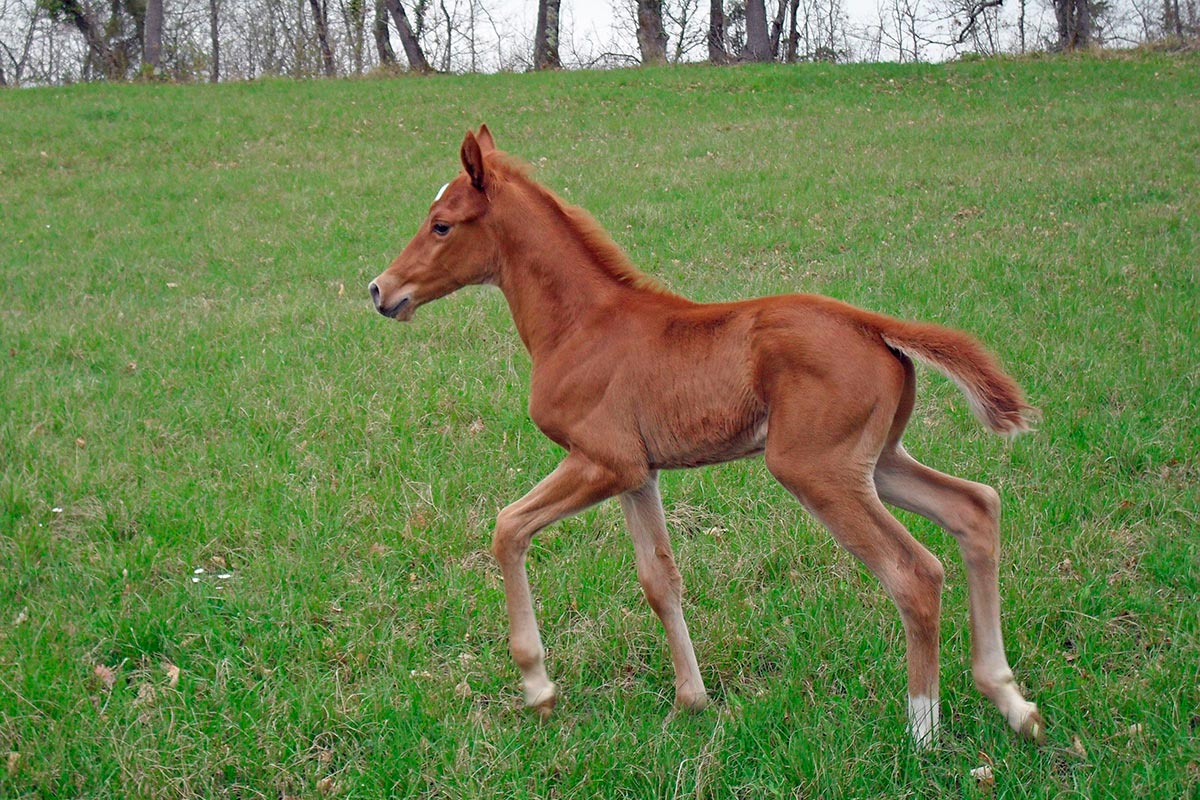
To understand how play behavior influences the musculoskeletal development of horses, we will refer to the studies carried out by Chris Rogers.