Papillomas in Horses
of the horses skin are spread by flies who carry the papillomavirus.
Diagnosing Papillomas in Horses
Since warts are common most seasoned horse owners can diagnose an outbreak without the help of a veterinarian. But for questionable lesions a veterinarian can take a biopsy to make sure the bumps arent sarcoids a type of skin tumor or another type of infection or tumor.
Treatment
On young horses treatment is not necessary since papillomas will go away within a few months as the horse develops its own resistance to the virus. Its almost as if the warts disappear as mysteriously as they come. If the affected area becomes inflamed and sore you can try to make your horse more comfortable with the following home treatments
Keep the affected skin clean of dirt and grime.
Treat inflamed or sore spots with overthecounter antiseptics or a topical moisturizing lotion for cracked skin.
If your horse becomes uncomfortable try diaper rash ointment on the bumps. It is harmless to your horse.
Its also fine to simply let the papillomas outbreak run its course 2 If you are concerned that your horse is uncomfortable or that an affected area might be infected call your veterinarian for advice. In extreme cases the papilloma may need to be surgically removed if it is not healing.
Prognosis for Horses With Papillomas
Papillomas are nonfatal to horses. It may sometimes be best to let the breakout run its course as warts are rarely painful. Outbreaks will typically disappear as your horse continues to thrive and mature.
How to Prevent Papillomas
Other than basic stable hygiene theres little that can be done to prevent horses from contracting warts. However here are three important steps to take to contain an outbreak
If one horse has an outbreak of papillomas keep it quarantined.
Practice using separate water buckets feed bins and other equipment for each horse to
prevent the virus from spreading. Sometimes the virus may be present before you see the signs however so this precaution may not be entirely effective.
After an outbreak disinfect all the barns feeding troughs buckets and tack to kill lingering organisms. A diluted bleach solution can be used on feeding equipment and stall walls. Use soap and water to scrub down tack.
Are Papillomas Contagious to Other Animals?
These warts are contagious to other young horses but will resolve on their own in one to nine months without treatment 3 Nonetheless watch your other horses closely as other young horses in the same pasture or barn may break out as well. Here are a few ways papillomas can spread
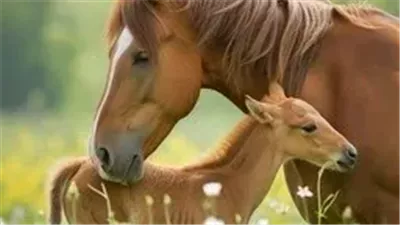
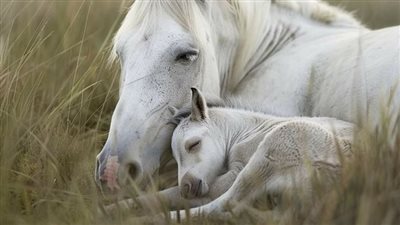
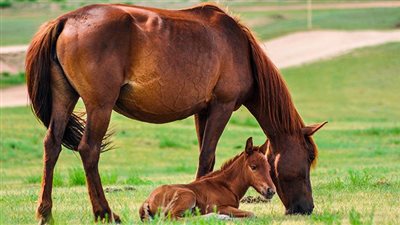
A young mare can transfer these equine warts to her foal as it nurses.
Young horses can also catch the virus from affected buckets fences or any other place a curious young horse may stick its nose into or brush up against.
Papillomas mostly affect horses less than 18 months old and it is very rareyet not impossiblefor an older horse to get them. Though older horses rarely get warts1 finding lumps and bumps in mature horses can be signs of other problems.
Are Papillomas Contagious to Humans?
This type of wart is not zoonotic a disease that exists in animals but can be transferred to humans so you dont have to worry about contracting the virus from your horse. And certainly you cannot make your horse sick either.