Mange in Horses
Mange is a rare skin condition caused by various types of skin mites that can affect all breeds of horses. It is extremely itchy and irritating and severe mite infestations can cause progressive skin lesions from mite damage and scratching. If left untreated mange lesions can become widespread over a horses body leading to great discomfort and emaciation due to anorexia. Several topical and systemic treatments are available from equine veterinarians to treat this uncommon but potentially serious ailment.
What Is Mange?
Mange refers to an infestation of a horses skin by various types of parasitic mites that feed by piercing the skin or burrowing in it depending on the type of mite. There are four different types of mange in horses including chorioptic leg mange sarcoptic mange psoroptic mange and demodectic mange. Each type of mite causes irritation but some are easier to eradicate than others. In addition to treatments that kill the mites antibiotic therapy may be required to help a horses skin heal.
For many years mange in horses was a reportable disease meaning the federal government had to be alerted if an infestation was diagnosed by a veterinarian. As of 2006 however the condition was declared rare enough that it was no longer reportable in horses in the United States. It still exists though in a small number of cases each year. Very young horses senior horses and immunocompromised horses are more likely to be affected by mange than adult horses in top condition
Symptoms of Mange in Horses
Signs of mange are usually evident shortly after infestation. Mange in horses is more common during the cooler months when horses longer coats provide insulation and increased moisture that mites are drawn to.
Symptoms
Red moist crusty skin patches
Intense itching
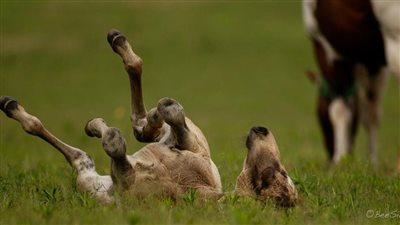
Excessive kicking rolling or scratching against fences or trees
Thickened inflamed skin
Skin infested by mange mites will weep fluid becoming dry crusty thickened and red. In response to the biting and burrowing mites a horse will be very itchy. To relieve the itch the horse may kick stomp roll bite itself or rub itself on fences or trees causing more skin damage.
If left untreated the affected