Are You Feeding Your Horse Enough Vitamin E?

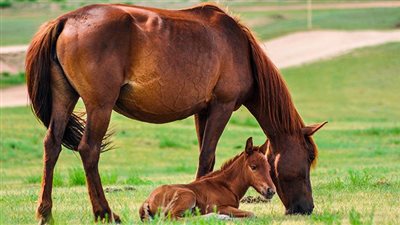
White muscle disease also known as nutritional muscular dystrophy in foals is a noninflammatory degenerative disease that affects skeletal muscle of foals from birth to approximately 11 months of age. Supplements of both vitamin E and selenium are the suggested treatment for this condition although it is suspected that it may be related to the vitamin E and selenium status of the dam during pregnancy. The best prevention for this disease in foals is to ensure their dams get adequate levels of vitamin E during pregnancy especially in the final months before foaling.
Equine degenerative myeloencephalopathy EDM is a degenerative condition of the brain and spinal cord in young horses that results in gait defects. It is suspected that the primary cause of the condition is genetic and not primarily related to vitamin E deficiencies early in life but it appears that vitamin E deficiencies are implicated in the onset and severity of the disease. If a mare is known to have produced foals with EDM some research has suggested that supplementing her with vitamin E during pregnancy can reduce the incidence of the condition in subsequent foals.
Equine motor neuron disease EMND is a degenerative disease of horses two years of age and older. Clinical signs include muscle wasting trembling and prolonged recumbency or lying down. It usually appears in horses that have been subjected to prolonged periods of vitamin E deficiency. Supplementation with high levels of vitamin E to affected horses can help slow or reverse the symptoms but the outcomes are not always good with this condition.
Equine protozoal myeloencephalopathy or EPM is a disease not related to a deficiency in vitamin E but one that appears to respond well to therapeutic doses of vitamin E as part of the supportive care protocol advised by the veterinarian. It is caused by infection of the central nervous system by a protozoa generally carried by opossums. The disease causes muscle wasting ataxia trembling and excessive sweating. Affected horses seem to respond positively to high levels of vitamin E at least 8000 IU per day.
Shivers is a chronic neuromuscular syndrome of larger horses that may have a genetic origin. While not caused by vitamin E deficiencies the suggested treatment of the disease does include supplementation with high levels of vitamin E as well.
It isnt entirely understood how the vitamin E helps these horses but it is a powerful antioxidant and it
supports immune functions and possibly the support it provides is as simple as that supportive care to facilitate the animals own body to fight the infection