Healthier Afoot: A Lifestyle Guide for Better Hooves

as dietary inflammation resolves the tenderfootedness goes away. For these horses soundness depends on a diet that follows the principle that less is more.
Weaning and Early Life
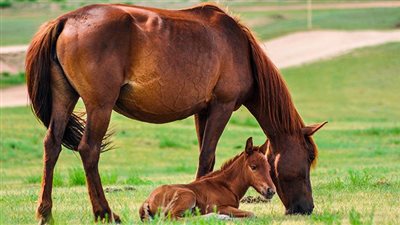
Weaning practices can predispose a horse to a lifetime of orthopedic challenges. Today foals are commonly weaned around four to six months of age as opposed to the timeline that happens in nature of nine months to two years. Earlier weaning means earlier consumption of hay and grain which tends to fatten youngsters much more rapidly than mares milk.
This weight gain and quick growth stresses joints and tissues that are still forming including hooves. In addition to possibly weakening the bony structures this added load overburdens the hooves which normally continue to develop in strength and size until year five. When the hooves adaptation is overwhelmed by excess weight in youngsters common outcomes include flat soles shelly walls and low heels. Secondarily owners of youngsters might be tempted to fix these issues by shoeing them in year two or three which further alters the hooves early development that dictates its durability years down the road.
In terms of weaning foals a healthier option seems to be a six to eightmonth timeline in addition to vigilance to keep them lean once transitioned to a domestic diet. Additionally it is imperative for their feet that they spend at least the first two years in a pasture with varied terrain and access to firm ground. Otherwise they will likely battle weak feet for the rest of their lives.