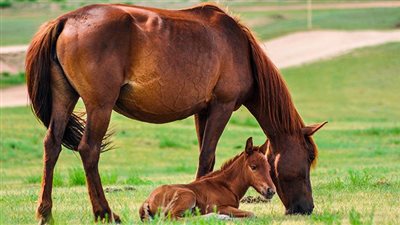
Diseases with Horse-to-Human Transmission

Content
an infected horse. Some horses are carriers that do not show any signs of disease but can actively transmit the organism. Carriers can become sick when under stress from surgery transportation changes in feed etc. Severe cases can be fatal if not treated.
Transmission People that work around horses can get salmonella by touching contaminated surfaces and accidentally transferring the bacteria from their hands to their mouths.
Humans Many people show no symptoms of salmonella infection. Others may develop fever abdominal discomfort and diarrhea. Clinical disease can be mild or severe and severe cases can be fatal if not treated.
Treatment and prevention In humans most cases resolve even without treatment. In horses nonsteroidal antiinflammatory drugs NSAIDs may be used to alleviate pain and gastrointestinal protectants such as biosponge or activated charcoal may bind the bacterial toxin. Severe cases may require treatment with IV fluids and electrolytes. Since the organism is prevalent in the environment prevention of salmonellosis is difficult. Identification of infected horses and strict biosecurity protocols are the best approach to preventing the spread of the disease.
Humans Symptoms in humans include abdominal pain diarrhea nausea fever and vomiting.
Treatment and prevention Antibiotics may be used to treat infected individuals. Campylobacter infection is rarely life threatening.
Cryptosporidiosis
Parasites in the genus Cryptosporidium are an important source of gastrointestinal disease in humans and animals globally. These highly contagious parasites infect the intestine and cause diarrhea and weight loss.
Horses Cryptosporidiosis is most commonly seen in foals especially those that are immunocompromised or stressed. Horses become infected by ingesting the parasite in contaminated food or water.
Transmission The parasite can be transmitted from horses to humans in contaminated water soil or surfaces and can survive in the environment for long periods.
Humans In humans ingestion of the parasite can cause watery diarrhea vomiting stomach cramps and weight loss. Symptoms may last up to two weeks.
Treatment and prevention Symptoms often resolve without treatment in people with healthy immune systems. For those with compromised immune systems or severe infections antiparasitic drugs such as nitazoxanide and antimotility agents such as loperamide can help relieve diarrhea.
Giardiasis
Singlecelled organisms of the genus Giardia most commonly Giardia duodenalis attach to the intestine causing problems with absorption of vitamins and other nutrients often resulting in diarrhea. Contaminated water and soil are the primary sources of infection.
Horses Giardia can cause intermittent diarrhea in some infected horses as well as poor hair coat and weight loss. Foals are frequently
Continue Reading...