Passionate About the Paint Horse
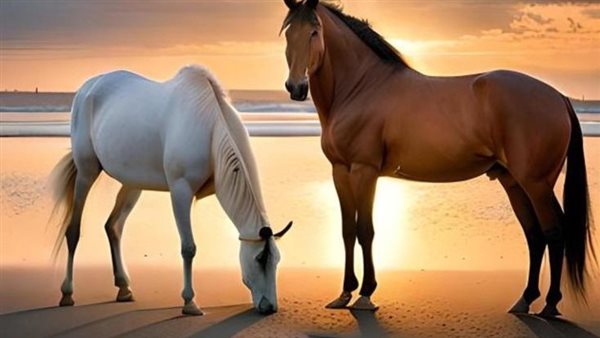
For millennia the vibrancy and diversity of the coat colours and patterns of multihued horses have held a powerful fascination for humans around the world.
A 25000yearold Paleolithic painting on the wall of the Pech Merle cave in southern France depicts two horses their white coats dappled with black spots. The tomb of a wealthy Egyptian land steward dating back to circa 1400 B C. features the image of a sorrel and white twotoned steed pulling a chariot. References to painted or spotted horses are part of the oral histories of the Gobi desert tribes that Genghis Khan recruited during his conquests in the late 12th and early 13th centuries.
This fascination with horses with variegated coats continues today as evidenced greatly by the widespread popularity of the American Paint Horse whose identity is closely tied to its colourful coat patterns.
The first known record of spotted horses in the New World comes from the historian Bernal Diaz del Castillo who in 1519 sailed with the Spanish conquistador Hernando Cort es to Mexico. According to Diaz two of the sixteen horses that traveled with the expedition had variegated coats a pinto with white stockings on his forefeet and a dark roan horse with white patches.
These horses and those from subsequent expeditions to the New World seeded the population of wild mustangs that eventually spread across the plains of the American West. They multiplied into the thousands and an abundance of them bore spotted coats. The beautifully coloured horses attracted the attention and admiration of the Native Americans who began to use horses for hunting transportation and warfare revolutionizing their own cultural landscape in the process.
As the West was settled and cattle ranches sprawled across the land these spotted horses became the preferred mounts of many cowboys on account of their flashy colouring hardy adaptability and goodnatured dependability.
But by the early 20th century as civilization spread horses began to fade from the landscape. A move was afoot to start preserving the unique distinction of individual breeds.
At this time Paint Horses were generally considered to be Quarter Horses with colour. But when the American Quarter Horse Association AQHA emerged in 1940 it excluded horses with excessive white i e. Paints from its new registry.
In the early 1960s Rebecca Lockhart then living in Gainesville Texas and some of her close friends were determined to stand up to the shifting opinion of the horse establishment that the