Fall Leaves - Are They Toxic to Horses?
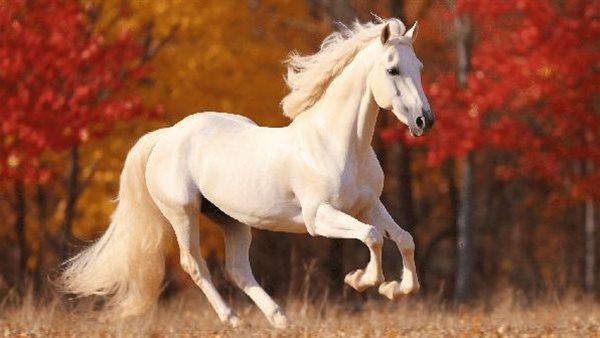
Fall is here! The leaves are changing and the temperatures are cooling off. It’s hard to imagine that such a pretty time of year could possibly be harmful to our horses. However, fall leaves can pose a potentially deadly threat. The following are trees that are highly toxic to horses.
Red Maple (Acer rubrum) Poisonings occur generally in late summer and fall, when leaves fall and drift onto pasture area. Red Maple leaves are highly toxic to horses. Ingestion of one and a half pounds is toxic, ingestion of three pounds or more is fatal. Death is common in cases of red maple poisoning, due to massive destruction of red blood cells. Signs include breathing difficulty, jaundice, urine that is dark brown in appearance, increased heart and respiratory. Do not put leaves in hay and make sure there are none within reach of the pasture area
Eastern Black Walnut (Juglans nigra) Black walnut can be introduced to horses through trees that grow around the pasture and land or, more commonly, as shavings used in stall bedding. Shavings with less than 20 percent black walnut content are toxic within 24 hours of exposure, but are usually non-fatal with proper treatment. Signs of black walnut toxicity include laminitis (which will worsen with continued exposure), reluctance to move, increased temperature and heart rate, difficulty breathing, digital pulse, limb edema, and increased gut sounds. Remove stall shavings immediately. Cooling the legs and hooves with a hose can help make the horse more comfortable. If caught relatively soon, recovery should be complete. In cases of severe laminitis and edema, consult your