5 Steps of Spring Horse Care

Content
which different types of dewormers were given on a rotational basis every two or three months has led to changes in the equine parasite populations of today. The most dangerous intestinal parasite of adult horses the large strongyle was once a cause of serious and sometimes fatal colic. However frequent deworming of horses over the past few decades has made large strongyles very rare in domestic horses. Presently the most common parasite afflicting adult horses is the small strongyle. This worm is much less dangerous than the large strongyle. In fact adult horses often show no ill effects from small strongyles unless they are infested with a large burden of these worms. Therefore it is now advised to test the feces of adult horses to determine how many eggs they are shedding. The majority of domestic horses are low shedders meaning they have an inherent immunity to small strongyles and do not have a high worm burden. These horses do not require frequent deworming and often only need to be dewormed once or twice annually with a product that targets small strongyles. On the other hand the few high shedders in the herd are responsible for over 80 percent of the worm eggs that end up on the pasture. These horses have a difficult time fighting off the strongyle worms on their own. They require more frequent deworming treatments to keep their worm burdens at bay and to reduce the spread of worm eggs on the pasture. By deworming these high shedders the pasture will be kept cleaner which benefits the rest of the herd.
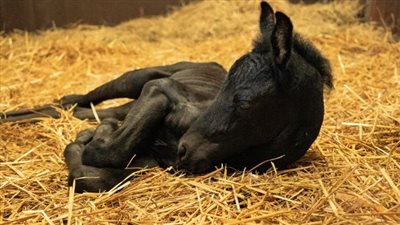
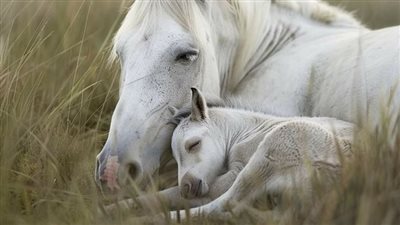
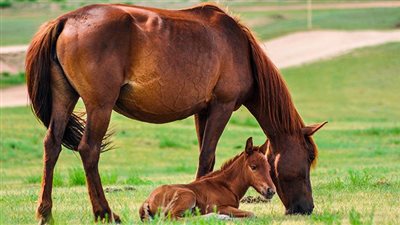
Foals need special consideration. The major parasite of foals is the roundworm which can cause failure to gain weight a potbellied appearance cough and even colic. Because roundworms can cause these serious health problems it is advisable to deworm foals with a product that targets roundworms at two and then four months of age. Fecal testing is not needed in these young foals as roundworm egg counts do not correlate well with the actual number of adult worms in the foal. Once the foal is six months of age however fecal testing is advisable because foals of this age may also be infested with small strongyles. An appropriate dewormer is selected based on this test.
In summary as horses return to pasture in the spring the two main parasites to manage are small strongyles and roundworms. These
Continue Reading...